Gardening Services in Aldgate
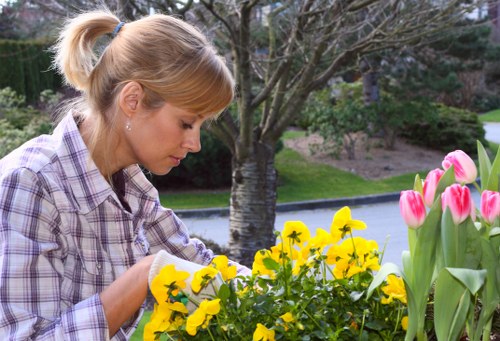
Gardening Services Aldgate provides practical garden care in Aldgate, with work shaped around tidy presentation, healthy planting and manageable outdoor spaces. Our main focus is routine and occasional gardening support for homes and businesses that need reliable upkeep rather than one-off improvisation. That can include lawn care, hedge trimming, border work, weed control and seasonal tidying, with the scope adjusted to the condition of the garden and the tasks that matter most.
Well-planned garden maintenance is more than a quick sweep-up. It is about keeping growth under control, protecting usable space and making each area easier to enjoy or manage. We work across the everyday jobs that keep a garden looking cared for, and we can also support larger clean-ups where an outdoor space has become neglected or overgrown. If you need a straightforward garden service in Aldgate, the aim is to give you a clear and practical route forward.
Tell us what needs attention and we can shape the work around your site and priorities. You can request a quotation once you know the areas you want covered, or begin with a simple enquiry if you are still deciding what should be included. Contact us when you are ready to take the next step.
Garden maintenance for regular upkeep
Routine garden maintenance is the backbone of a tidy outdoor space. It helps keep grass at a sensible height, prevents beds from becoming choked with weeds and stops hedges and shrubs from spreading beyond their intended shape. For many properties, the most useful service is not a complete redesign but a regular return to the tasks that preserve order and make later work easier. That is where consistent maintenance becomes valuable.
Our approach is centred on practical tasks that suit the garden in front of us. Depending on the condition and layout, that may involve cutting back growth, clearing away debris, lifting weeds from paths or beds and checking that borders remain neat. We can also group tasks together so that the work is efficient rather than piecemeal. When the garden has several small issues, combining them into one visit often gives a more coherent result.
For customers comparing options, it helps to think in terms of outcomes rather than isolated jobs. Do you want a lawn kept neat through the growing season, borders made easier to manage, or an outdoor area prepared for visitors or property use? See garden maintenance for a fuller view of the kind of care this page covers. A clear brief usually makes it easier to match the work to the garden’s real condition.
Lawns, hedges and structural planting

Healthy-looking gardens often depend on a few important structural elements being looked after properly. Lawns need regular cutting and edging to stay even and usable. Hedges benefit from controlled trimming so that they remain dense without becoming bulky or awkward. Shrubs and climbers may also need selective cutting to keep them in scale with the rest of the space. These tasks are related, but each needs a slightly different approach.
Hedge trimming is most effective when it respects the plant’s shape as well as the intended boundary line. A hedge that is cut too hard can look sparse, while one that is left for too long may become difficult to manage neatly. Likewise, lawn mowing is not just about cutting grass shorter; it is about maintaining an even finish, dealing with edges and reducing the sense of visual clutter that long growth can create. Good results depend on timing and consistency.
Where a garden includes mixed planting, we look at how each feature sits alongside the rest of the space. Taller growth can cast shade, block paths or make smaller areas feel cramped, so the work may include selective reductions as well as general trimming. If you want help with hedges, lawns or other recurring green growth, hedge trimming and lawn mowing are useful pages to review before asking for a quotation.
Clearance work when gardens need a reset
Some gardens need more than maintenance. They need a proper reset after a period of neglect, seasonal build-up or a change in how the space is being used. Clearance work can involve removing loose green waste, cutting back overgrowth, lifting unwanted material and restoring access to areas that have been obscured. This kind of work is usually about creating a workable baseline so that routine care becomes realistic again.
There are different levels of clearance, from light tidying through to more substantial work on overgrown beds, paths and corners. The right approach depends on what is present, how accessible the space is and what you want the garden to become afterwards. In some cases, clearance is the first stage before ongoing maintenance; in others, it is a single practical intervention to bring the outdoor area back under control. Read about garden clearance if that sounds closer to your current situation.
It can be helpful to think about what should stay and what should go before any work begins. A useful brief may include the parts of the garden you want retained, any plants that should be protected and any areas that are most important for access. A concise written note is often enough to start the conversation, and it keeps the quotation focused on the real task rather than assumptions.
Planting, landscaping and reshaping outdoor space
Gardens sometimes need a more considered change than simple upkeep. That might mean adjusting beds, improving the arrangement of features, refreshing tired areas or making the layout easier to use. Landscaping work can support those aims by reshaping the outdoor space in a way that feels coherent and practical. It is not only about appearance; it is also about how the garden functions from day to day.
Landscape gardening can cover the planning and execution of broader changes where plants, borders and surfaces need to work together more successfully. This may include improving the balance between open and planted sections, creating tidier transitions between parts of the garden or introducing more manageable features. The best results come when the work suits the size of the site, the existing features and the amount of future upkeep you want to take on.
For customers considering a bigger change, it is sensible to begin with the work that creates long-term practicality rather than short-term novelty. If your aim is to improve flow, make a border easier to maintain or refine the overall shape of the garden, landscape gardening and landscaping provide useful starting points. Good planning can help a garden feel more settled from the outset.
What helps us prepare a clear quotation

A useful quotation depends on useful information. The more clearly the work is described, the easier it is to match effort, tools and timing to the job in hand. For a garden, that usually means identifying the main tasks, the rough size of the area and whether the space is currently tidy, partly maintained or heavily overgrown. If there are access issues, awkward corners or fragile planting, those points matter as well.
Photographs can be helpful, especially where the garden includes several distinct areas or where the level of growth is hard to describe in words. A short note about what you want achieved is often enough to begin, and you can add detail later if needed. If you are comparing options, it may also help to separate urgent tasks from work that can wait. That gives a clearer view of the priorities and keeps the quotation aligned with your actual aim.
Pricing and quotes explains the sort of factors that can influence the scope of the work, including the size of the garden and the tasks involved. Clear information up front does not need to be complicated; it just needs to be enough to describe the garden accurately. Once that is in place, it is easier to discuss what should happen first and what can be left for later.
Keeping outdoor areas tidy through the seasons
Gardens change through the year, and seasonal growth can quickly alter how much work is needed. Spring often brings fresh growth that needs shaping, summer can require more regular cutting and edging, and autumn may create a heavier need for clearing fallen material and tidying borders. A seasonal approach helps the garden stay under control rather than reacting only when it is already untidy.
We can support seasonal upkeep by combining the tasks that matter most at each stage. That might mean cutting back soft growth, removing dead material, improving the look of paths and beds or preparing the garden for a quieter period. Where planting is in place, the aim is to trim and clear without removing more than is necessary. This is particularly useful when the garden has been carefully planted and should remain balanced.
It is often better to agree the main priorities than to list every small job separately. If you want a simple route into the right service, start with the outcome: a neater lawn, fewer weeds, better-shaped hedges or a clearer border structure. Once that is identified, the work can be put together more sensibly. You can ask for a quotation after deciding what level of seasonal help you need.
About Aldgate
Aldgate is an area in the City of London with a long urban history and a location that still reflects its position near the eastern edge of the Square Mile. The name comes from one of the old gates in the Roman and medieval city walls, and the modern district retains links to that layered past through nearby streets, routes and surviving fragments of older geography. It sits close to the boundary between the City and Tower Hamlets, which gives it a transitional character between the historic core of London and the denser East End beyond. The area is well connected by transport, but it also has a distinct sense of place created by narrow streets, commercial buildings and the mix of older and newer architecture. Some parts are strongly associated with office use and finance, while other nearby streets carry reminders of earlier residential, mercantile and defensive layers of the city. Public spaces and walking routes around the district make it easier to notice changes in building styles, from listed or historic structures to later developments that occupy former industrial or commercial plots. The local environment is also shaped by the presence of major roads and the movement of people through the area during the working day. Aldgate’s identity therefore comes from both continuity and reinvention: a historic gate location, a busy modern business quarter and a wider setting that links the City to its eastern neighbours.
Tree work and heavier reductions
Some gardens contain trees that need more than light shaping. Trees may require crown reduction, selective cutting back or the removal of damaged growth to keep them manageable and to reduce encroachment into surrounding areas. This kind of work is different from hedge trimming because the structure of the tree has to be considered carefully. Cutting too much, or in the wrong place, can alter both appearance and balance.
Tree work is most useful when it is matched to the condition and purpose of the plant. A tree that shades a border may need a measured reduction, while one near a path or boundary may need clearance to restore safe access and visibility. In a garden setting, the aim is usually to keep trees in proportion with the rest of the space rather than to treat them as isolated features. Tree lopping and removal covers heavier work where a stronger intervention is needed.
Where removal is being considered, the decision should be based on the tree’s state, its position and the effect it has on the rest of the garden. We can support that kind of work when it forms part of a wider maintenance or clearance plan. If you are not yet sure whether trimming or removal is the better route, start with the visible problem and build the brief from there. That makes the next step far easier to assess.
Services overview and how to choose the right scope

Some customers need a single task, while others want a combination of services handled together. A straightforward garden visit might focus only on mowing and edging, whereas a more involved job could include hedge trimming, border tidying and removal of cut material. The most useful service is the one that matches the actual condition of the space, not an overcomplicated package that includes work you do not need.
If your garden has several issues at once, it can help to group them by priority. Start with access and safety, then move on to visible presentation and finally to longer-term shaping or planting. That way the work follows a sensible order and does not waste effort. Services overview gives a simple route to the main types of gardening support available, which can be useful if you are still deciding what to include.
For some properties, a mixed approach is best: routine upkeep in the places that show most easily, and more focused work where growth has become awkward or overgrown. For others, the need is narrow and specific, so a single job will do. Either way, the result should be clear, practical and suited to the garden itself rather than a standard formula.
Practical points before the work begins
Before any gardening task starts, it is useful to think about access, parking where relevant and any areas that should be left untouched. Those points affect how quickly work can begin and whether the right equipment can be brought in without confusion. If there are pets, delicate features or water supply restrictions, they are also worth mentioning at the same time so that the job can be planned appropriately.
Another helpful point is to decide whether waste should be taken away as part of the job or whether you want the cut material left in a particular place for your own handling. Garden work often creates a mixture of light clippings, branches and general debris, so knowing how that should be treated avoids uncertainty later. You do not need to overstate the details; a short, accurate description is usually enough to support the quotation process.
If you are ready to move forward, about us can provide a little more background, while contact us is the best place to request a quotation for the gardening work you have in mind. A brief message outlining the garden and the tasks is enough to begin the conversation.
Planning tidy, manageable results

Good garden work aims for results that stay useful after the visit is over. That means leaving borders easier to read, lawn edges sharper, hedges better contained and access points less cluttered. It is often the combination of small improvements that makes the biggest difference to the overall feel of the space. A tidy garden is usually one that has been approached with care and an understanding of what should be preserved.
Where the task involves multiple parts, it helps to set them in a sensible order. For example, cutting back overgrowth may come before edging, and clearing away debris may make later inspection of planting or hard surfaces easier. That order avoids unnecessary repetition and supports a better finish. We can adapt the work to suit the garden’s condition, whether the priority is routine upkeep, a reset after neglect or a carefully shaped improvement to an established space.
To talk through the work and request a quotation, use the contact route that suits you best and give a short description of the garden, the main tasks and any points that may affect access or scope. If you would like to move ahead, pricing and quotes is a useful place to review, and then you can send your details from the contact page when ready.