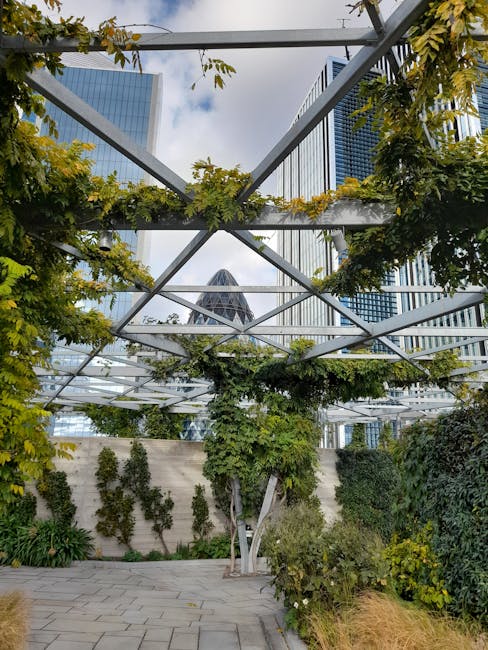
Aldgate station garden maintenance for small terraces: a practical guide for compact London outdoor spaces
If you live or work near Aldgate station, you already know the rhythm of the area: busy pavements, narrow frontages, limited light, and outdoor space that has to earn its keep. That is exactly why Aldgate station garden maintenance for small terraces needs a different approach from garden care in a larger suburban plot. A tiny terrace can look brilliant with the right routine, but it can also get cluttered, dry out fast, or feel unfinished very quickly. Truth be told, small spaces show every mistake.
This guide explains how compact terrace garden maintenance works, what makes it worth doing, and how to keep a small London terrace looking healthy without turning it into a weekend chore. You will also find practical steps, common pitfalls, a comparison of maintenance approaches, and a realistic checklist you can actually use. If you are comparing professional help, it may also be useful to browse the services overview and the pricing and quotes information before you decide what level of support makes sense.
Small terraces around Aldgate tend to have the same challenges: shade from tall buildings, wind funneling between blocks, dusty leaves, containers that dry out in a day, and neighbours close enough to notice when things start sliding. That is not a problem. It just means the maintenance plan needs to be sensible, regular, and a bit smarter than a generic garden checklist. Let's face it, a terrace is not a country garden.
Table of Contents
- Why Aldgate station garden maintenance for small terraces Matters
- How Aldgate station garden maintenance for small terraces Works
- Key Benefits and Practical Advantages
- Who This Is For and When It Makes Sense
- Step-by-Step Guidance
- Expert Tips for Better Results
- Common Mistakes to Avoid
- Tools, Resources and Recommendations
- Law, Compliance, Standards, or Best Practice
- Options, Methods, or Comparison Table
- Case Study or Real-World Example
- Practical Checklist
- Conclusion
- Frequently Asked Questions
Why Aldgate station garden maintenance for small terraces Matters
Small terraces are often the first outdoor space people see when they step out of a flat, and that means they carry a lot of visual weight. A tidy container grouping, well-cut climber, or healthy patch of planting can make a terrace feel calm, welcoming, and genuinely usable. When maintenance slips, though, the opposite happens fast: pots overgrow, compost dries out, moss spreads across paving, and the whole area starts to feel neglected.
In central and inner-London settings, maintenance matters for a few extra reasons. Space is tight, so every plant needs a job. Light may be patchy, which makes plant choice and pruning more important. Access can be awkward, especially if the terrace is reached via stairs, shared hallways, or a narrow rear path. And because many small terraces are seen from kitchens, bedrooms, or offices, the garden becomes part of daily life rather than a separate outdoor room.
There is also a practical side. A maintained terrace is easier to use safely and comfortably. Walkways stay clear, drainage issues are spotted earlier, and plants are less likely to collapse into busy access areas. For landlords, residents' groups, or mixed-use properties near Aldgate, a good routine helps keep a neat first impression without overcomplicating things.
Expert summary: small terrace maintenance works best when it is regular, space-aware, and designed around conditions rather than wishful thinking. If the space gets only a few hours of sun, choose plants that cope. If wind is constant, anchor containers properly. If water drains badly, sort that before adding more planting. Small fixes, done early, save a lot of faff later.
How Aldgate station garden maintenance for small terraces Works
Good terrace maintenance is less about large-scale landscaping and more about small, consistent actions. In practice, it usually starts with a quick assessment: what gets sun, where water collects, which plants are thriving, and which areas are simply taking up space. From there, the maintenance plan is built around the terrace's real conditions.
A typical small-terrace maintenance visit or routine might include tidying dead growth, pruning back overextended plants, checking container health, removing weeds from pot surfaces and joints, refreshing mulch or top dressing, and giving the terrace a good sweep or wash down. Depending on the season, it may also include feeding, re-staking, planting replacements, and adjusting irrigation.
For a terrace near Aldgate station, a maintenance approach often needs to account for urban dust, sheltered corners that stay damp, and exposed edges that dry out. A planter against a warm wall behaves very differently from one sitting in a draughty corner. One plant may be happy; the next one may look insulted by the whole situation. The job is to notice those differences early.
Professionally managed terrace care also tends to work in cycles:
- Weekly or fortnightly checks for watering, visible stress, and light tidying.
- Monthly maintenance for pruning, feeding, weeding, and plant health checks.
- Seasonal resets for replacement planting, compost refresh, and layout tweaks.
That rhythm keeps the space looking intentional rather than reactive. If you want a broader sense of how these services fit together, the service options page is a useful place to start.
Key Benefits and Practical Advantages
A well-maintained small terrace gives you more than just a nice view. The gains are practical, and on a compact site they are very noticeable.
- Better use of space: pruning and layout adjustments free up room to sit, move, or store items properly.
- Healthier plants: regular checks catch pests, dryness, overcrowding, and nutrient problems before they spread.
- Less weekly stress: a tidy, managed system is easier to live with than a terrace that needs a rescue mission every Sunday.
- Improved appearance: even a few carefully kept containers can make the whole property feel better cared for.
- Safer access: clear floors, sturdy pots, and controlled growth reduce trip hazards and blockages.
- Longer lifespan for planting schemes: the right pruning and seasonal replacement help container displays last longer and perform better.
There is another benefit people sometimes underestimate: maintenance gives you flexibility. A small terrace often serves more than one purpose. It might be a coffee spot in the morning, a place for a few herbs, and a visual backdrop for a home office. Keeping it in good shape means it can adapt without becoming a cluttered compromise.
For sustainability-minded households, maintenance can also reduce waste. If plants are matched properly to the site, you replace less often. If compost is refreshed thoughtfully, pots stay productive longer. The recycling and sustainability page explains how a responsible approach can support greener garden care choices.
Who This Is For and When It Makes Sense
This kind of maintenance is useful for a wide range of people, especially in dense London settings where space is limited and time is short.
Homeowners and tenants with small terraces
If you have a modest terrace, balcony-like patio, or small back garden near Aldgate station, regular maintenance stops it from becoming one of those spaces you avoid looking at. You know the type. A few tired pots, a stubborn weed, a chair that is always just slightly in the way. Small issues accumulate quickly.
Busy professionals
For people who commute, travel, or work long hours, terrace care often falls to the bottom of the list. A structured maintenance plan keeps the space presentable without asking you to spend every spare hour with secateurs in hand.
Landlords and property managers
Managed terraces can support tenant satisfaction and help a property present well in viewings or inspections. The key is consistency. A neglected terrace can send the wrong message, even if the rest of the property is in good order.
Hospitality, office, or mixed-use premises
Where a terrace is visible to customers, staff, or visitors, maintenance becomes part of the brand experience. A neat planted area can soften hard urban surroundings and make the place feel considered rather than leftover.
It also makes sense if you have tried maintaining the terrace yourself and discovered that the conditions are trickier than expected. Many people start with enthusiasm, then realise the shade is deeper than they thought, or the pots dry out too fast, or the climbers have other ideas. That is normal.
Step-by-Step Guidance
If you want a terrace that stays attractive all year, this is the kind of routine that works. Not glamorous, maybe, but effective.
- Assess the space honestly. Look at sunlight, wind, access, and drainage. Small terraces punish guesswork.
- Remove clutter first. Clear broken pots, faded supports, dead leaves, and anything that blocks movement or light.
- Check plant health. Look for yellowing leaves, sparse growth, mildew, pests, and root crowding in containers.
- Prune with purpose. Cut back only what is needed to shape plants, improve airflow, and stop overhang into walkways.
- Weed, sweep, and clean. Remove weeds from the terrace surface and from pot tops before they seed everywhere.
- Refresh growing media. Top up compost or mulch where needed. Old, tired container mix can make even decent plants struggle.
- Water properly. Give containers a deep soak when needed rather than a light splash every day. The plant does not care about your good intentions.
- Feed and replace seasonally. Add nutrients where appropriate and swap out weak or out-of-season planting so the display stays lively.
- Review layout. Move pots, trellis, or seating if the terrace feels cramped or unbalanced.
A practical tip: take a photo before and after maintenance. It helps you see what changed and whether the layout is working. On a tiny terrace, that visual comparison can be surprisingly useful. One glance, and you spot that a pot is too big, a path is too narrow, or a plant is stealing the show in the wrong way.
Expert Tips for Better Results
Small terraces are unforgiving, but they are also very rewarding when you get the details right. These are the habits that tend to make the biggest difference.
Choose plants for behaviour, not just appearance
A plant may look lovely in a nursery and still be a poor fit for a windy, shaded terrace. Prioritise compact habits, reliable container performance, and tolerance for urban microclimates. On a small terrace, enthusiasm is not a substitute for suitability.
Use fewer, better containers
A clutter of tiny pots often looks busier than it looks beautiful. A few well-sized containers usually perform better, hold moisture more evenly, and create a calmer look. Bigger pots can also reduce watering stress, which is a real bonus in summer.
Keep hard surfaces as important as planting
On compact terraces, sweeping and washing surfaces matters almost as much as pruning. Dirt, algae, and leaf litter build up quickly in shaded corners. Left alone, they make even healthy planting feel messy.
Work with vertical space
Trellis, wall supports, and narrow climbers can give you more interest without taking over the floor. That matters when every square metre counts. A vertical layer also helps soften brick, fencing, or plain render without crowding the terrace.
Plan for the view from inside
This is one many people miss. If the terrace is seen mostly from a kitchen window or living room, design and maintain it for that angle. A lovely display that looks awkward from the room is only half doing its job.
Small-space rule of thumb: if something on the terrace is not useful, beautiful, or clearly serving the planting scheme, it is probably just taking up room.
And yes, that includes the mysterious pot you have kept "just in case" for three years. We have all got one.
Common Mistakes to Avoid
Most terrace problems are not dramatic. They are slow, ordinary, and easy to miss until suddenly the space looks tired. Here are the big ones.
Overcrowding the terrace
Too many containers, chairs, lanterns, storage boxes, and decorative extras make a small terrace feel smaller. The result is visual noise and awkward movement. Breathing room matters.
Ignoring drainage
Waterlogged pots are a common issue in containers with poor drainage or compacted compost. If roots sit in water, plants decline fast. You may see limp foliage, fungus, or mould before you notice the cause.
Using plants that outgrow the space
Fast-growing shrubs, large grasses, or vigorous climbers can dominate a small terrace before long. If a plant needs constant cutting just to stay inside the boundary, it may not belong there in the first place.
Doing only reactive maintenance
Waiting until everything looks scruffy means the fix is bigger, messier, and less satisfying. A little regular attention is much easier than an occasional overhaul. Honestly, that goes for most things in life.
Forgetting seasonal transitions
Terrace planting often looks great for one season and then fades when the weather changes. Without planned swaps or tidy-up work, the space can go from sharp to tired in a couple of weeks.
Leaving surfaces slick or cluttered
On a small terrace, slippery paving, loose gravel, and pot clutter create safety issues as well as visual ones. A good maintenance routine should leave the space safer, not just prettier.
Tools, Resources and Recommendations
You do not need an enormous toolkit to maintain a small terrace well. In fact, a compact and tidy kit is often better. Less rummaging, less duplication, less stuff getting in the way.
| Tool / resource | What it helps with | Why it matters on a small terrace |
|---|---|---|
| Hand pruners | Light pruning, deadheading, shaping | Precise cuts without damaging nearby plants |
| Small rake or hand fork | Soil loosening, weed removal, surface tidying | Works well in containers and tight corners |
| Watering can or compact hose setup | Targeted watering | Reduces waste and lets you control moisture better |
| Container feed | Supporting healthy growth | Container plants use nutrients quickly |
| Mulch or top dressing | Moisture retention, weed suppression | Helps in exposed urban terraces |
| Sturdy gloves | Protection during pruning and clearing | Useful for thorny or rough-edged plants |
If you are arranging professional support, ask about the maintenance scope rather than assuming everything is included. Does the service cover pruning only? Does it include weed removal, waste collection, planting refresh, or container cleaning? Those details matter. A lot.
It can also help to review business policies before booking. For example, the health and safety policy and insurance and safety information are useful for understanding how a provider approaches care and risk. If you have questions about service terms or administration, the terms and conditions and payment and security pages can also be helpful.
Law, Compliance, Standards, or Best Practice
For most small residential terraces, maintenance is mainly a matter of good horticultural practice rather than complex regulation. That said, there are still some sensible points to keep in mind.
If work involves shared access routes, communal entrances, or properties with multiple occupants, safety and courtesy matter. Tools should be stored securely, waste should be removed responsibly, and any maintenance work should avoid blocking exits or creating trip hazards. If a terrace is part of a managed building, the property rules or landlord requirements may also shape what can be installed or altered.
For professional services, insured work practices are important. Even on a small terrace, there can be risks from ladders, sharp tools, heavy pots, or slippery surfaces after watering. A careful provider should be able to explain how they manage those risks in plain language.
There is also a sustainability angle. Reusing healthy containers, composting green waste where suitable, and choosing durable materials are all sensible best-practice choices. If you care about waste reduction, it is worth seeing whether the provider follows a recycling-aware approach. The recycling and sustainability page is a good reference point for that.
Finally, keep expectations realistic. In the middle of a London winter, a terrace may not look lush. In high summer, it may need extra watering. Good maintenance is about stable condition and smart seasonal management, not pretending the weather is something else.
Options, Methods, or Comparison Table
There is more than one way to maintain a small terrace, and the right choice depends on time, confidence, and how polished you want the space to feel.
| Approach | Best for | Pros | Trade-offs |
|---|---|---|---|
| DIY upkeep | Hands-on owners or tenants with time | Lower direct cost, full control, satisfying if you enjoy gardening | Easy to miss seasonal issues; can become sporadic |
| Occasional professional visits | People who want help with reset tasks | Good for pruning, planting, and recovery work | May still require light upkeep between visits |
| Regular maintenance plan | Busy households, landlords, and visible terraces | Most consistent results, less stress, better presentation | Higher ongoing commitment than ad hoc care |
For many small terraces near Aldgate station, a hybrid approach works best: handle simple watering or light tidying yourself, then bring in help for seasonal pruning, layout refreshes, or a proper clean-up. That way you keep costs sensible without letting the space drift. Sensible, not perfect. Perfect is overrated anyway.
Case Study or Real-World Example
Picture a compact terrace behind a flat not far from Aldgate station. It has three medium containers, one trellis, a small bench, and a narrow strip of paving. At first glance it looks fine. But by late spring, the climber has started to crowd the doorway, one container is bone-dry by midday, and leaves have collected in the corner near the wall.
The fix is not a huge redesign. It is a sequence of modest improvements:
- The climber is lightly pruned and tied back to improve access.
- One pot is replaced with a larger, better-draining container.
- Spare items are removed so the bench area feels usable again.
- Mulch is added to hold moisture.
- The terrace is swept properly, and the corners are checked for early weed growth.
After that, the terrace feels calmer almost immediately. Not flashy. Just better. The view from inside the flat is cleaner, the plants cope more steadily, and the space stops feeling like a rushed afterthought. That is the real value of maintenance: not a dramatic makeover, but a better everyday experience.
In many cases, the biggest improvement is simply reducing friction. Fewer awkward pots. Less clutter. Easier watering. A layout that makes sense at 7:30 on a weekday morning when nobody has time to dodge a spiky shrub on the way to work.
Practical Checklist
Use this checklist for a quick terrace maintenance review. It is short on purpose.
- Are walkways clear and safe?
- Do containers have drainage and stable placement?
- Are plants suited to the amount of light the terrace gets?
- Has dead growth been removed?
- Are weeds under control in pots and paving joints?
- Is watering consistent and appropriate for the season?
- Do any plants need pruning, staking, or replacement?
- Does the terrace feel balanced rather than crowded?
- Have surfaces been swept or cleaned recently?
- Has the layout been reviewed for better use of the space?
If you can answer "yes" to most of those, you are in good shape. If several answers are "not really", that is your sign to reset the space before the next growing burst makes it harder.
Get a free quote today and see how much you can save.
Conclusion
Aldgate station garden maintenance for small terraces is really about making compact outdoor space work harder, look better, and feel easier to live with. Small terraces do not need complicated schemes. They need smart plant choice, regular pruning, tidy surfaces, good watering habits, and a layout that respects the limits of the space.
If you keep the maintenance simple and consistent, a small terrace can become one of the most satisfying parts of a property. It might be a cup of tea spot, a green view from the kitchen, or just a place that feels calm when the rest of London is moving at full speed. And that matters more than people think.
For more about the company behind these services, you can also review the about us page and the contact us page if you are ready to talk through your terrace and what it needs next.
Sometimes the smallest spaces are the ones that reward care the most. Keep it steady, keep it tidy, and the terrace will return the favour.
Frequently Asked Questions
What does Aldgate station garden maintenance for small terraces usually include?
It usually includes pruning, deadheading, weeding, sweeping, container checks, watering adjustments, and seasonal tidying. Depending on the service, it may also include planting refreshes, mulch top-ups, and light layout changes.
How often should a small terrace be maintained?
Most small terraces benefit from weekly or fortnightly attention in growing season, then lighter but still regular checks in colder months. The exact rhythm depends on sun exposure, wind, and how many containers you have.
Is a small terrace harder to maintain than a larger garden?
In some ways, yes. Every issue is more visible, and mistakes feel bigger because there is less room to absorb them. But the upside is that maintenance can be quicker and more focused once the system is right.
What are the biggest problems with terrace gardens near Aldgate station?
Common problems include shade from surrounding buildings, drying winds, patchy watering, overcrowding, and dirty or slippery surfaces. Urban dust and limited access can also make routine care more important.
Can I maintain a small terrace myself?
Yes, many people do. If you are comfortable with pruning, watering, and basic plant care, DIY maintenance can work well. The challenge is consistency, especially if you are busy or if the terrace is in a difficult microclimate.
When should I book professional help instead of doing it myself?
Professional help makes sense when the terrace needs a seasonal reset, overgrown plants need controlled pruning, drainage issues need attention, or you simply do not have the time to stay on top of it. That is usually the turning point.
What kind of plants work best on a small terrace?
Usually compact plants that suit containers, tolerate urban conditions, and do not outgrow the space too quickly. The best choices depend on light levels, wind, and how much time you want to spend on watering.
How do I stop my terrace pots drying out so quickly?
Use larger pots where possible, improve compost quality, add mulch, group containers sensibly, and choose plants that cope with container conditions. In hot spells, check them more often than you think you need to.
Do I need to worry about safety on a small terrace?
Yes. Loose pots, wet surfaces, and clutter can create trip hazards. If maintenance is being carried out professionally, insurance, careful tool handling, and clear access are sensible expectations.
How do I keep a terrace looking tidy all year round?
Focus on a repeatable routine: sweep, prune, weed, water, and review layout regularly. A few minutes often is better than a big rescue every few months. That steady habit makes all the difference.
Are there sustainability benefits to regular terrace maintenance?
There can be. Well-chosen plants last longer, healthy containers are reused more effectively, and green waste can often be managed more responsibly. It also reduces unnecessary replacements, which is never a bad thing.
How do I get started if my terrace is already overgrown or cluttered?
Start with a clear-out. Remove broken items, cut back excessive growth, and clean the surfaces before deciding what stays. If it feels too much, a professional reset can save time and prevent the common mistake of trying to solve everything in one rushed afternoon.